

Many people know the names of their parents and grandparents, but the stories behind those names are often lost over time. The experiences, struggles, traditions, and decisions of previous generations can shape a family’s identity, even when those stories are no longer openly shared.
Ancestral research helps bring those forgotten connections back into focus. It allows people to understand where they came from, learn about the lives of those who came before them, and develop a stronger connection to their family history.
Through ancestral research and family identity, people can discover more than their family tree. They can uncover the experiences and values that helped shape generations.
Family history plays an important role in understanding personal identity. The places ancestors lived, the challenges they faced, and the choices they made all contribute to the story that continues today.
Ancestral research helps discover identity by revealing details that may have been forgotten. Old records, photographs, letters, and family stories can provide insight into relatives who lived before us and the circumstances that influenced their lives.
Finding these details can answer meaningful questions about family origins. It can reveal where ancestors came from, how they lived, and what experiences shaped their journey. These discoveries often help people feel more connected to their roots.
Learning about family history is not only about looking into the past. It can also help people better understand themselves in the present.
Every family carries stories of resilience, change, and growth. Previous generations may have faced challenges such as migration, hardship, or major life changes, yet their decisions helped create the foundation for future generations.
Understanding yourself through family history allows you to see your own story as part of something larger. It highlights the connections between generations and helps explain why certain traditions, values, and beliefs continue within families.
Genealogy provides a way to reconnect with family members and events that may have been forgotten. It turns names and dates into real stories about people and their lives.
Documents such as birth records, census information, photographs, letters, and other historical sources can reveal important details about ancestors. Discovering family history through records allows researchers to piece together relationships, locations, and experiences that might otherwise remain unknown.
For many families, genealogy also helps restore connections that were lost over time. It can uncover relatives, forgotten communities, and stories that deserve to be remembered.
Discovering information about ancestors can be a deeply personal experience. Seeing an old photograph, reading a family letter, or learning about a relative’s life can create a powerful connection across generations.
The emotional impact of discovering family history often comes from realizing that every family has a story filled with determination, challenges, and meaningful moments. These discoveries can create a sense of pride and appreciation for the people who helped shape the family’s future.
Family research can also bring forgotten stories back into conversations, allowing new generations to understand and value their heritage.
Knowing your ancestry provides a better understanding of your background and the people who influenced your family’s path. It helps preserve memories and ensures that important stories are not lost.
Ancestry research can teach valuable lessons about family strength, cultural traditions, and personal connections. It allows younger generations to learn from the experiences of those who came before them.
Preserving these stories also creates a lasting record for future family members. Without documentation, many important details can disappear as time passes.
The search for family history is ultimately about connection. It helps people understand their origins and recognize the experiences that link generations together.
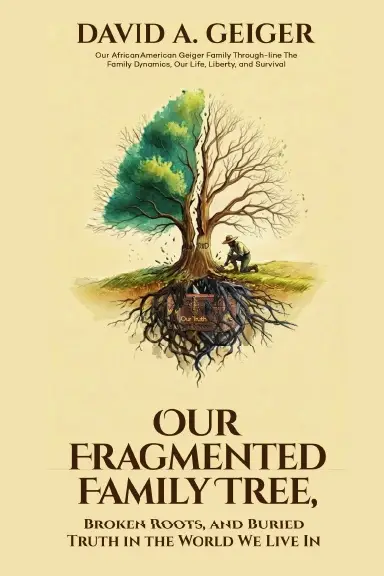
In Our Fragmented Family Tree, Broken Roots, and Buried Truth in the World We Live In by David A. Geiger, the exploration of family connections highlights the importance of uncovering forgotten stories and understanding how the past continues to influence the present.
Every family has a history worth preserving. By exploring ancestry and sharing these stories, families can strengthen their connection to the past while creating a meaningful legacy for future generations. Ancestral research reminds us that our identity is shaped not only by where we are today but also by the people and experiences that came before us.
signup for updates
One Response